In 2026, the global ticketing landscape is being shaped significantly by dynamic pricing strategies that aim to balance demand and maximize revenue. Fans attending sports, music, and cultural events are witnessing shifts in how ticket prices are determined and adjusted. This article explores the implications of these trends for eventgoers worldwide.
Understanding dynamic pricing in ticketing
Dynamic pricing in ticketing is a strategy where seat prices fluctuate based on real-time demand, availability, and other market factors. Unlike fixed pricing models, dynamic systems allow organizers to adjust costs to better reflect the market conditions as the event date approaches. This approach aims to optimize sales and reduce unsold inventory, offering venues and promoters enhanced financial predictability.
Global adoption of dynamic pricing
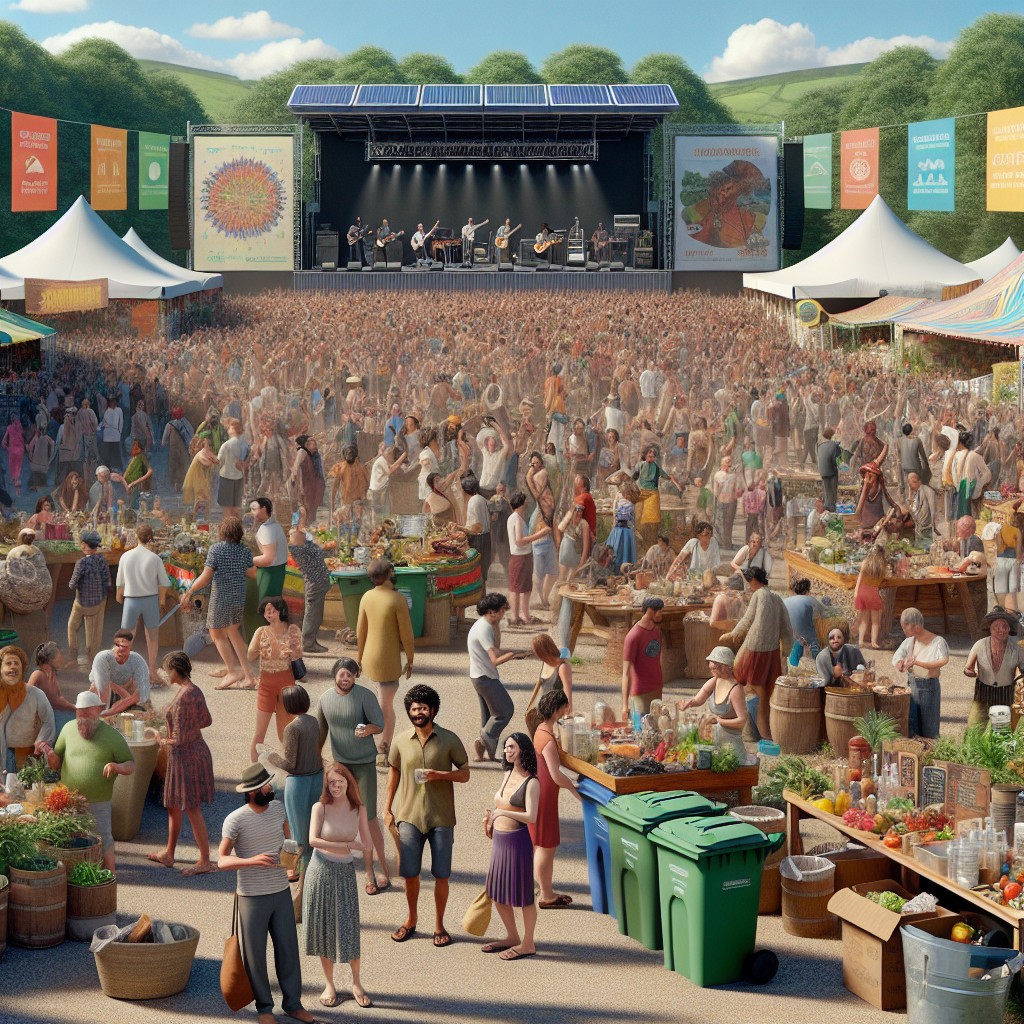
Across continents, ticketing platforms and event organizers are increasingly adopting dynamic pricing. For instance, major sports leagues in the United States and Europe have implemented sophisticated algorithms to adjust ticket costs during the sales cycle. The technology is also gaining traction in the live music industry where artist popularity and event timing heavily influence demand. This worldwide implementation reflects a broader move toward data-driven pricing strategies.
Impact on fans and consumer experience
The effect of dynamic pricing on fans is multifaceted. On one hand, it can provide fairer pricing by matching supply with demand, potentially lowering prices for less sought-after events or times. On the other hand, dynamic pricing may lead to unpredictability and perceived price surges, causing dissatisfaction among consumers who prefer stable prices. Transparency and communication from ticketing providers are becoming essential to maintain trust.
Technology behind modern ticketing systems
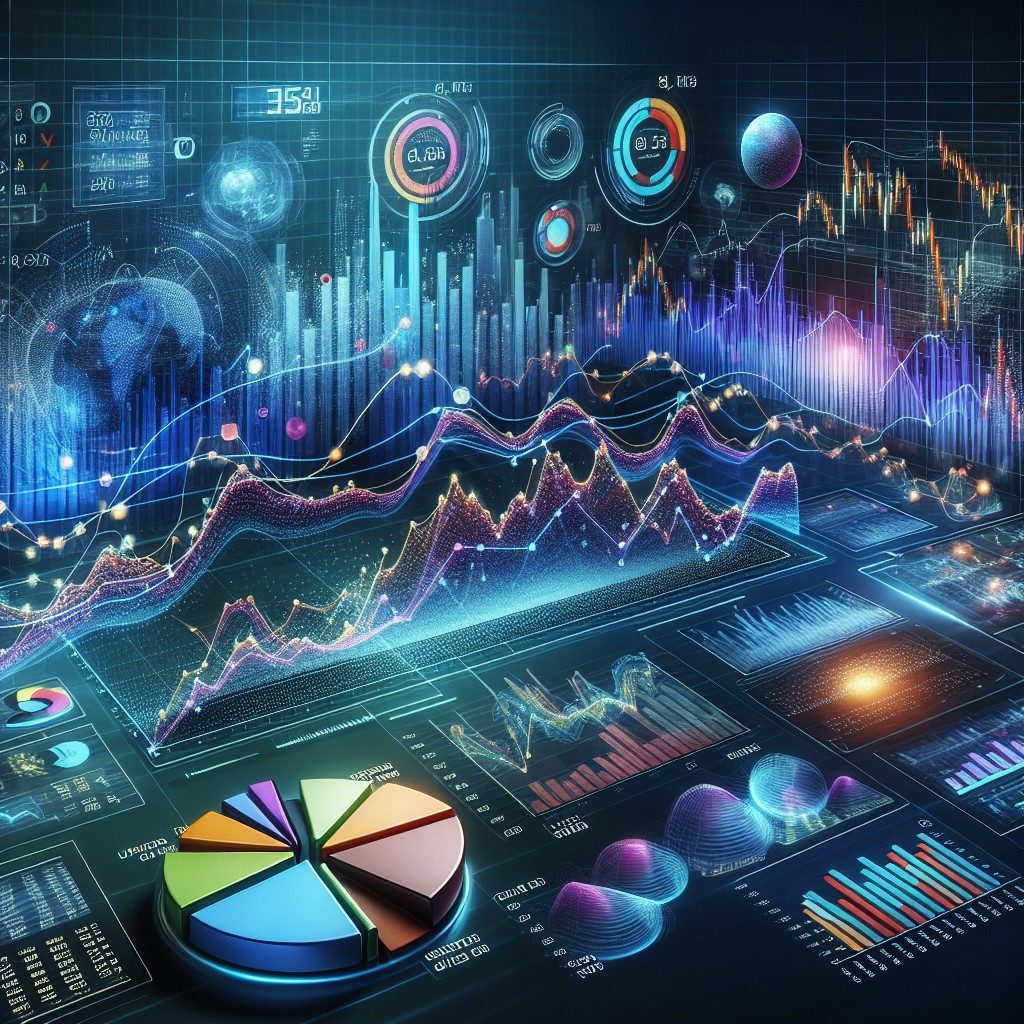
Advanced software powered by artificial intelligence and machine learning drives the dynamic pricing models in today’s ticketing industry. These technologies analyze purchasing trends, competitor pricing, and external factors such as weather or team performance to dynamically set prices. Integrating these systems with online ticketing platforms ensures real-time updates and a seamless purchasing experience, which are critical in high-demand situations.
Regulatory and ethical considerations
With the rise of dynamic pricing in ticketing, regulatory bodies and consumer advocacy groups are paying closer attention to pricing fairness and transparency. Several countries are reviewing their policies to ensure consumers are protected against exploitative pricing practices. Ethical considerations also include addressing reselling and scalping behaviors that can be exacerbated by dynamic pricing, prompting calls for stricter controls and regulated resale platforms.
As ticketing continues to evolve in 2026, dynamic pricing is set to remain a dominant influence across global markets. While it offers benefits such as efficiency and revenue optimization, its success hinges on balancing profitability with fan satisfaction and regulatory compliance. Stakeholders must collaborate to foster a ticketing environment that is both technologically innovative and consumer-friendly.
Frequently Asked Questions about ticketing
What is dynamic pricing in ticketing?
Dynamic pricing in ticketing refers to the practice of adjusting ticket prices in real time based on demand, availability, and other market indicators to optimize sales and revenue.
How does dynamic pricing affect the cost of tickets for fans?
It can cause ticket prices to fluctuate, sometimes lowering costs for less popular events or increasing prices when demand is high, impacting fans’ ability to predict final purchase prices.
Is dynamic pricing used globally in the ticketing industry?
Yes, many countries and sectors, including sports and live entertainment, utilize dynamic pricing to manage ticket sales more effectively worldwide.
What technologies support dynamic ticketing pricing systems?
Artificial intelligence and machine learning algorithms play a key role in analyzing data and enabling ticketing platforms to adjust prices dynamically and efficiently.
Are there regulations governing dynamic pricing in ticketing?
Various regulatory agencies monitor ticketing practices to ensure transparency and fairness, and some regions have introduced guidelines to prevent exploitative pricing and scalping.
For more information on ticketing industry standards and news, visit the International Association of Ticketing Professionals. Additionally, global coverage on ticketing trends can be found on the BBC Business section.