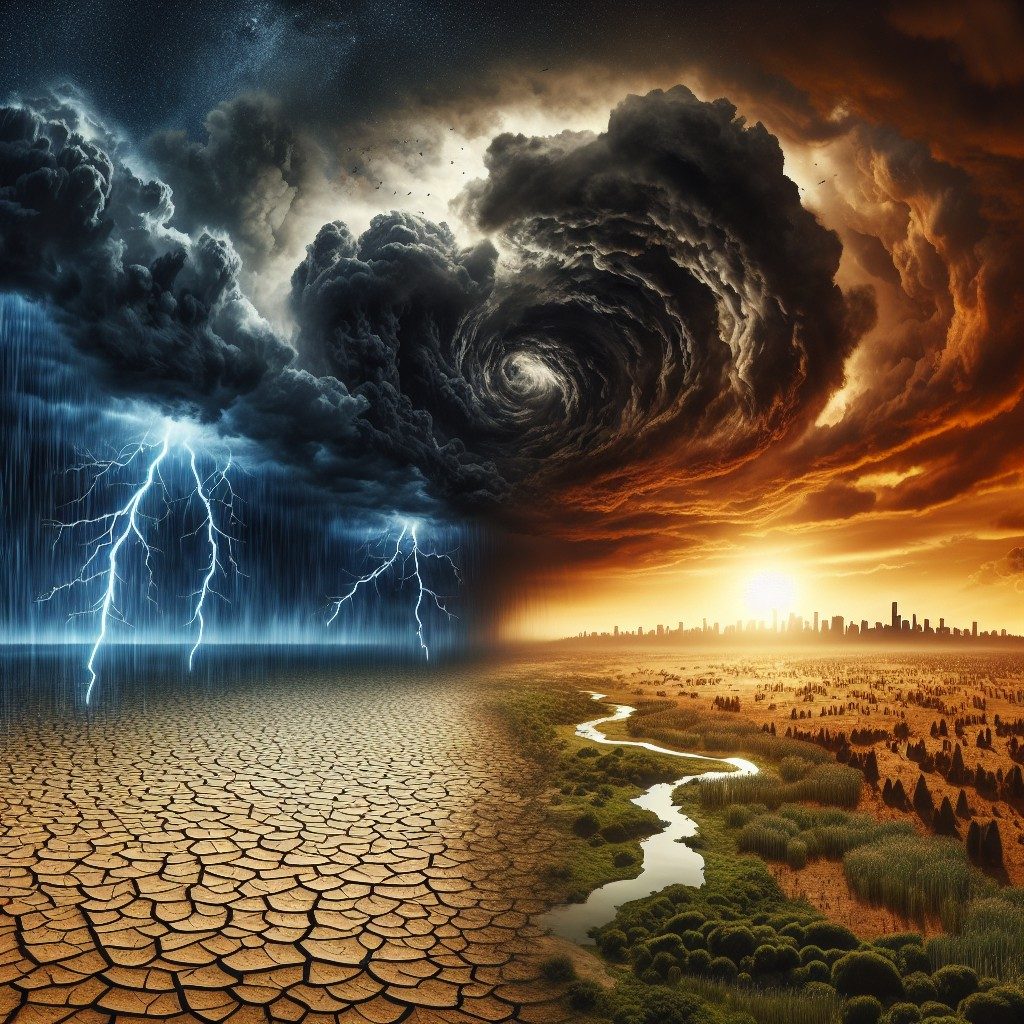
As climate change accelerates, experts are predicting alarming weather patterns for the year 2026. New climate models indicate that the world may experience extreme weather events with increased frequency and intensity. This Climate Analysis aims to shed light on these predictions and their implications for global ecosystems and human societies.
Rising Temperatures and Heatwaves
The latest data from climate scientists suggests that average global temperatures will rise significantly by 2026. This increase will likely lead to more severe heatwaves, especially in regions currently experiencing moderate climates. Meteorologists emphasize that this phenomenon is not only expected to affect human health but also agricultural productivity. Crop failures due to extreme heat and insufficient rainfall could result in food shortages, increasing the risk of socio-economic instability in vulnerable regions.
Increased Precipitation and Flooding
Alongside rising temperatures, experts warn of increased precipitation in some areas. This shift could lead to more frequent and intense flooding, particularly in coastal and urban areas. Forecasts indicate that cities like Miami and New Orleans may face devastating flooding that could overwhelm infrastructure not designed to cope with such extremes. Urban planners and policymakers are urged to prioritize climate-resilient infrastructure in preparation for these projected weather patterns.
The Impact on Biodiversity and Ecosystems
The implications of these weather changes extend beyond human communities; ecosystems worldwide are at risk. A Climate Analysis of upcoming conditions predicts widespread habitat loss, threatening numerous species unable to adapt quickly to climate changes. For instance, the ongoing effects of increased temperatures and altered precipitation patterns are expected to exacerbate the already precarious status of coral reefs and rainforest ecosystems, which are crucial for global biodiversity. Conservation efforts are more urgent than ever to mitigate these impacts.
Conclusion: Preparing for Future Challenges
In light of these troubling predictions, it is essential for governments, scientists, and communities to collaborate effectively to address the challenges posed by climate change. The anticipated weather patterns of 2026 serve as a wake-up call to implement effective climate policies and promote sustainability. Only through comprehensive strategies can communities hope to adapt to the extreme weather scenarios forecasted by climate models.
Frequently Asked Questions about Climate Analysis
What is the significance of Climate Analysis in understanding weather patterns?
Climate Analysis provides comprehensive insights into the changing weather patterns and helps in identifying trends based on scientific data.
How will Climate Analysis help in preparing for extreme weather events?
Through accurate Climate Analysis, communities can prepare better for extreme weather events by developing appropriate response strategies.
What role do governments play in Climate Analysis?
Governments can utilize Climate Analysis to inform policymaking and invest in adaptive infrastructure to mitigate climate risks.
How can individuals contribute to Climate Analysis efforts?
Individuals can engage by supporting sustainable practices and advocating for policies based on scientific Climate Analysis.
What are the potential economic impacts highlighted in Climate Analysis?
Climate Analysis indicates that extreme weather events can lead to significant economic losses, affecting everything from agriculture to urban infrastructure.