As we approach the mid-2020s, the evolution of artificial intelligence (AI) continues to reshape various aspects of daily life. With rapid advancements in technology and increasing integration across sectors, understanding the AI Trends that will define the next few years is crucial for businesses and consumers alike. This article explores the key AI trends expected to have a significant impact on everyday experiences by 2026.
Personalization of Services through AI
One of the most notable AI trends anticipated for 2026 is the continued personalization of services. Companies are increasingly utilizing AI algorithms to analyze consumer behavior and preferences, allowing them to tailor offerings to individual users. For example, in retail, AI-driven platforms can recommend products based on previous purchases and browsing history, enhancing the shopping experience. This trend extends to sectors such as healthcare, where AI tools can suggest personalized treatment plans based on a patient’s medical history and genetic makeup. The demand for more personalized services is not only shaping customer satisfaction but also transforming business models, compelling companies to adopt AI technologies to stay competitive.
Enhanced Workplace Automation
Automation of routine tasks is another critical aspect of future AI trends. By 2026, it is anticipated that many sectors will experience a significant increase in AI-driven automation technologies. This shift will allow employees to focus on more strategic and creative tasks, as mundane processes such as data entry, scheduling, and even customer inquiries become automated. This transformation is expected to improve productivity and efficiency in workplaces, but will also raise important discussions around job displacement and the need for reskilling programs. Businesses must navigate these changes carefully to leverage the benefits of AI while ensuring their workforce is adequately prepared for new roles.
AI in Smart Cities
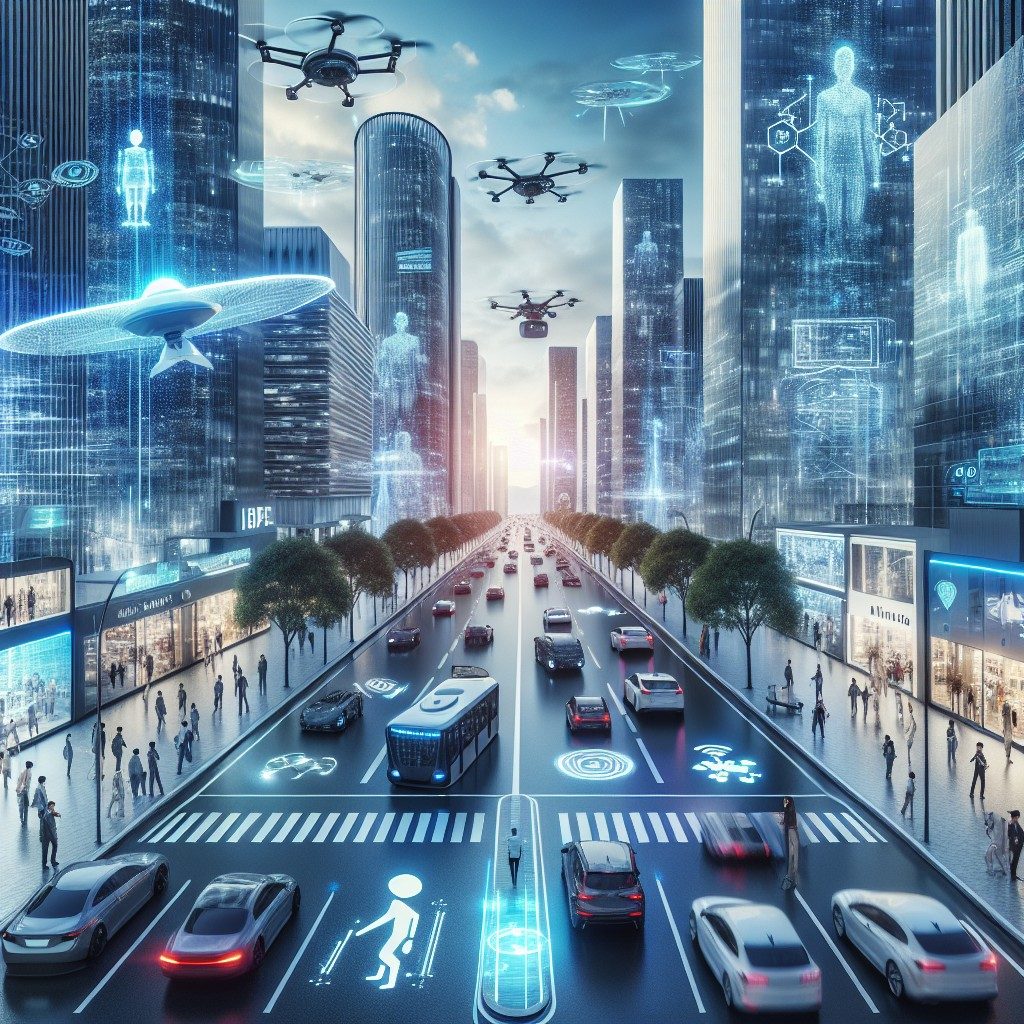
The concept of smart cities, which integrate IoT devices and AI technologies for improved urban living, is another emerging trend that will shape daily life by 2026. AI will play a crucial role in managing urban infrastructure, traffic control, and energy usage. For instance, AI systems can analyze real-time traffic data to optimize signal timing, reducing congestion and improving public transportation systems. Similarly, AI can assist in resource management, such as predicting energy demands and adjusting supply accordingly. As urban populations continue to grow, the implementation of AI in city planning and management is vital for creating sustainable and livable environments.
Frequently Asked Questions about AI Trends
What are the primary AI trends expected to dominate by 2026?
Some key AI trends include increased personalization of services, enhanced workplace automation, and the integration of AI in smart city initiatives.
How will AI trends impact consumer experiences?
AI trends will greatly enhance consumer experiences through personalized recommendations and services tailored to individual preferences and behaviors.
What challenges do AI trends present for the workforce?
AI trends can lead to job displacement due to automation, necessitating reskilling and adaptation for employees in affected roles.
How are smart cities exemplifying AI trends?
Smart cities utilize AI trends to optimize traffic management, energy consumption, and urban planning for better resource allocation and improved living conditions.
What role does reskilling play in adapting to AI trends?
Reskilling is essential for workers to transition into new roles created by AI trends, ensuring that they remain competitive and relevant in the evolving job market.